The test for species conservation planning is that it results in improved conservation status for the planned species. It should be appreciated that while species may face immediate problems of biological origin, their effective conservation needs solutions that will require responses by society, and may therefore require changes in behaviour at the level of individuals, communities or local and central governments.
There are two obvious ways to increase the chance of successful conservation interventions:
-
- to ensure the correct range of people and organisations is involved in the planning process;
- to include individuals with the right skills in the social sciences and psychology who can appreciate the complexities and potential for encouraging the necessary behaviour changes.
The components of a SCS are as follows:
-
- A range-wide Status Review (incorporating a threat analysis). This Status Review defines the historical and current distribution of the species, states population sizes (or at least gives some measure of relative abundance), evaluates population trends, and identifies losses and threats. The Status Review should, where available, be informed by the appropriate Red List Assessment(s) and supporting documentation from the Red List Unit of the IUCN Species Programme and the Species Information Service (SIS). The completed Status Review should also in turn feed back into the Red List process.
- A range-wide (or in some cases a regional) Vision, which is an inspirational description of the participants’ desired future state for the species, and a set of associated Goals. These Goals are a rephrasing of the Vision in operational terms to capture in greater detail what needs to be achieved, and where, to save the species. Both the Vision and the Goals have the same geographical and temporal scale. The Goals have a set of associated Goal Targets (refer to the entity being conserved), which are a medium-term (typically 5–10 years) subset of the Goals. Goal Targets represent those Goals (and/or the necessary steps towards those Goals) that can realistically be achieved over the lifetime of the SCS. Like all targets, Goal Targets should be SMART (Specific, Measurable, Achievable, Realistic, and Time-bound).
- A set of Objectives needed to achieve the Goal Targets over the stated timespan. Objectives address the main threats to the species identified in the Status Review process and the other constraints on achieving the Vision and Goals. In fact, Objectives can be thought of as the inverse of key threats and constraints. Each Objective should also have a SMART Objective Target. Objectives are typically developed using some form of problem analysis (e.g., “problem tree” methods). Each Objective is usually associated with one or more SMART Objective Targets.
- Actions to address each Objective Target. Actions are the activities which need to be performed in order to achieve the Objectives, Goals, and, ultimately, the Vision. Recommendations for Actions should ideally provide details of what needs to be done, where, when, and by whom. Actions are typically short-term (usually 1–5 years).
To be strategic, any Plan or Strategy should be characterised thus:
-
- It should start with a high-level question such as ‘What do we want for this species within so many years?’ and then progressively work down in terms of time horizons and detailed answers to the question, ending up with the tactics required to implement the strategy.
- It must involve the full range of organisations and individuals that have interests in the species and its habitat.
- A strategic approach should include the social, political and cultural environments in which conservation actions will be taken, acknowledging that the most effective interventions for species may depend on the activities and behaviours of local people.
- A strategic approach explicitly acknowledges the dynamic cycle of learning by doing and then adapting in pursuit of the longerterm ambition, in contrast to a one-off set of responses or actions.
- A strategic approach includes consideration of the resources, risks, priorities and other aspects of implementation.
Conservation Strategy: Devil and Manta Rays
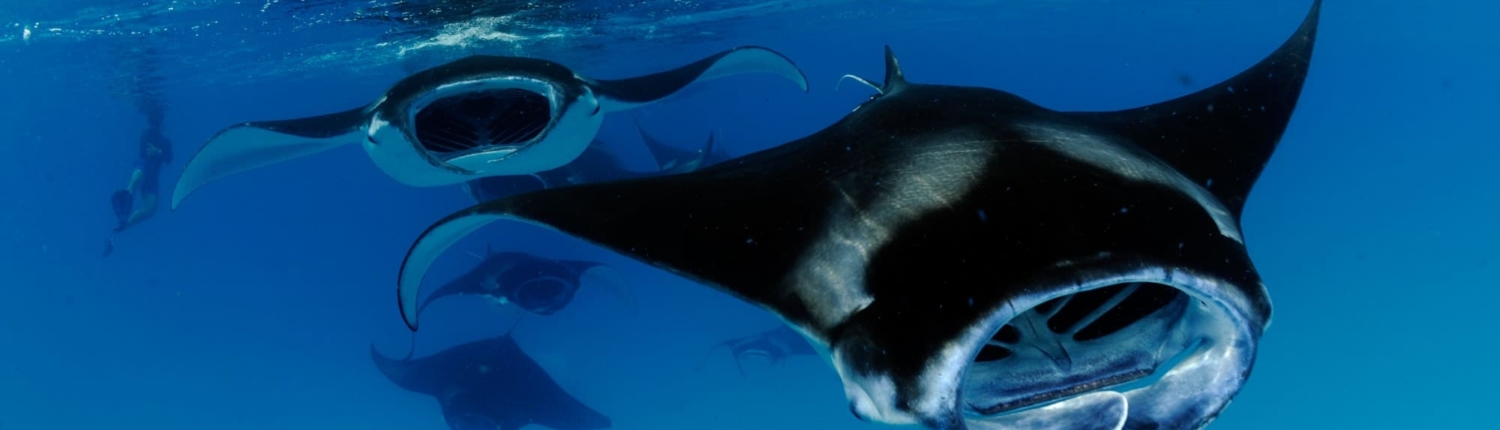
Conserving Mobulid Rays: A Global Strategy & Action Plan (2018)
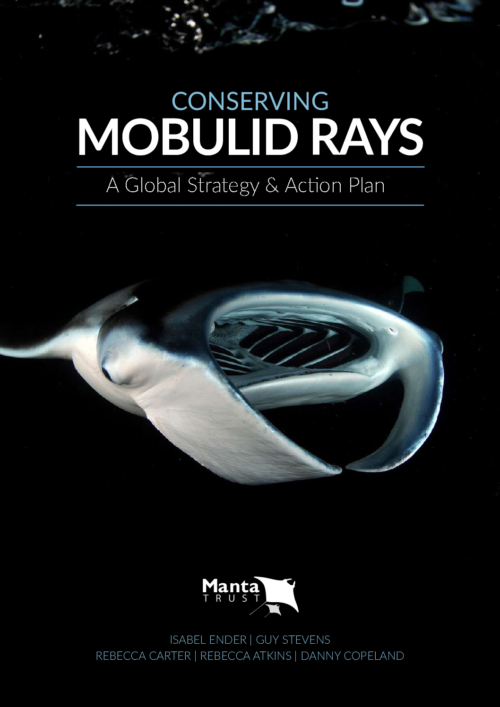
Ender, I., Stevens, G., Carter, R., Atkins, R., and Copeland, D. 2018. Conserving Mobulid Rays: A Global Strategy & Action Plan. Manta Trust.
Research Priorities to Support Effective Manta and Devil Ray Conservation (2018)
Stewart JD, Jaine FRA, Armstrong AJ, Armstrong AO, Bennett MB, Burgess KB, Couturier LIE, Croll DA, Cronin MR, Deakos MH, Dudgeon CL, Fernando D, Froman N, Germanov ES, Hall MA, Hinojosa-Alvarez S, Hosegood JE, Kashiwagi T, Laglbauer BJL, Lezama-Ochoa N, Marshall AD, McGregor F, Notarbartolo di Sciara G, Palacios MD, Peel LR, Richardson AJ, Rubin RD, Townsend KA, Venables SK and Stevens GMW. 2018. Research Priorities to Support Effective Manta and Devil Ray Conservation. Frontiers in Marine Science, 5:314. https://doi.org/10.3389/fmars.2018.00314
Sympathy for the devil: a conservation strategy for devil and manta rays (2017)
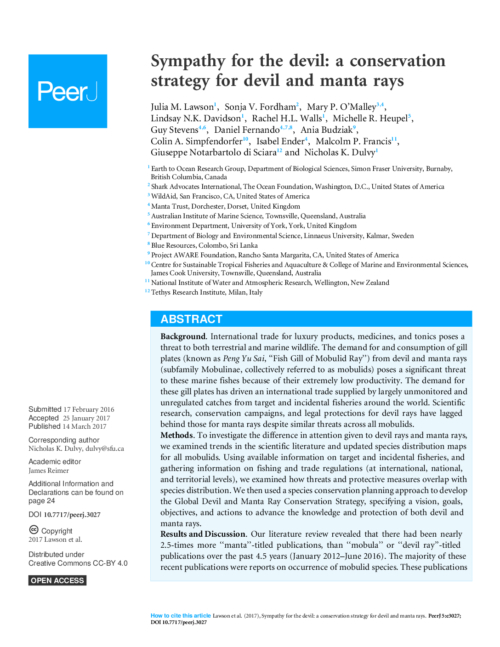
Lawson JM, Fordham SV, O’Malley MP, Davidson LNK, Walls RHL, Heupel MR, Stevens G, Fernando D, Budziak A, Simpfendorfer CA, Ender I, Francis MP, Notarbartolo di Sciara G, Dulvy NK. 2017. Sympathy for the devil: a conservation strategy for devil and manta rays. PeerJ, 5:e3027 https://doi.org/10.7717/peerj.3027
Conservation Strategy: General
Global Priorities for Conserving Sharks and Rays: A 2015–2025 Strategy (2015)
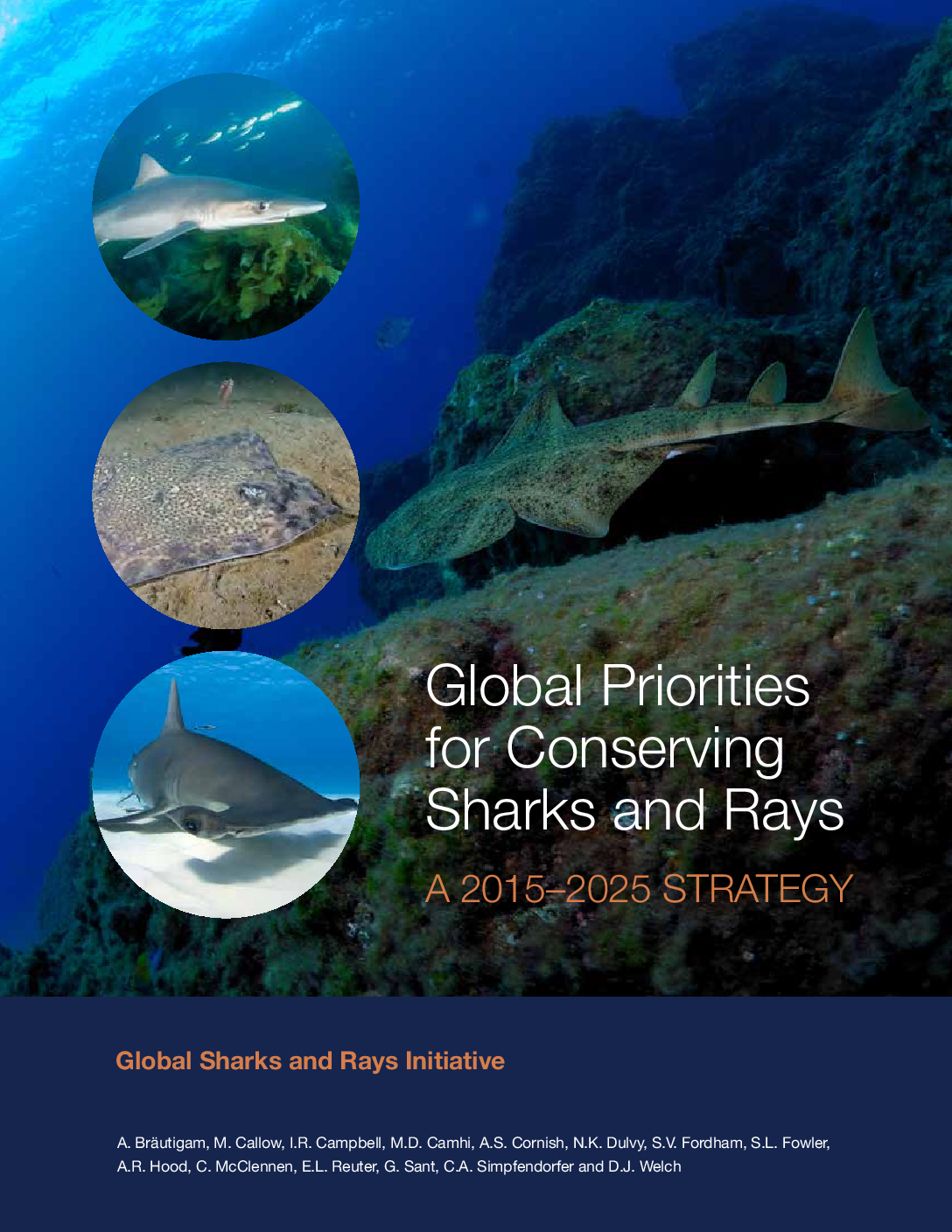
Bräutigam, A., Callow, M., Campbell, I.R., Camhi, M.D., Cornish, A.S., Dulvy, N.K., Fordham, S.V., Fowler, S.L., Hood, A.R., McClennen, C., Reuter, E.L., Sant, G., Simpfendorfer, C.A. and Welch, D.J. (2015). Global Priorities for Conserving Sharks and Rays: A 2015–2025 Strategy
Conservation Strategy: Sawfish
Sawfishes are arguably the most threatened family of marine fishes in the world. The global populations of all five sawfish species have experienced historic declines greater than 90% due to fisheries overexploitation (directed and bycatch) and habitat loss. Consequently, three species are listed on the IUCN Red List as Critically Endangered, and two species are listed as Endangered. There is a very real risk that these unique species will be lost without urgent conservation action.
Sawfish: A Global Strategy for Conservation (2014)
EN
Harrison, L.R. and Dulvy, N.K. (eds). 2014. Sawfish: A Global Strategy for Conservation. IUCN Species Survival Commission’s Shark Specialist Group, Vancouver, Canada.
FR
Harrison, L.R. and Dulvy, N.K. (eds). 2014. Une stratégie globale pour la conservation des poissons-scies. Version française (abrégée). Groupe des Specialistes de Requins et Raies de l’UICN, Vancouver, Canada.
ES
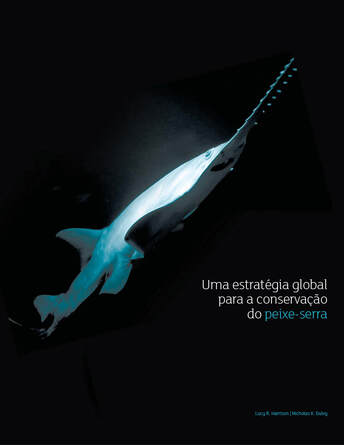
Harrison, L.R. & Dulvy, N.K. (eds) 2016. Uma estrat.gia global para a conservaçao do peixe-serra. Versao em português (resumida). Grupo de Especialistas em Raias e Tubar.es da UICN, Vancouver, Canadá
Saving Sawfish (2014)
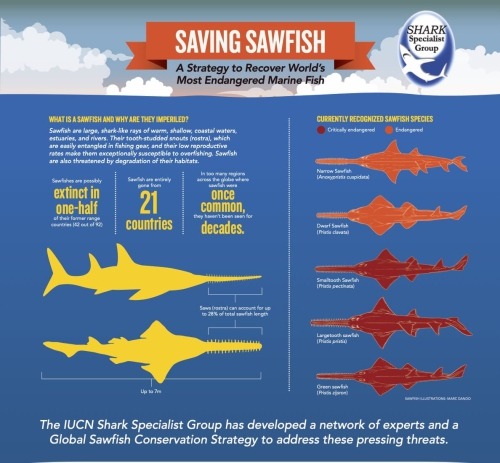
Infographic
Saving Sawfish
A Strategy to Recover World’s Most Endangered Marine Fish
Saving Sawfish | Progress and Priorities (2018)
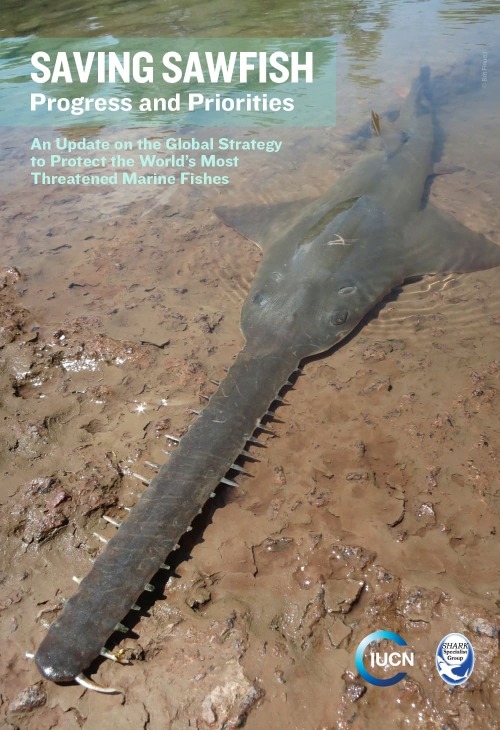
An Update on the Global Strategy to Protect the World’s Most Threatened Marine Fishes
Fordham SV, Jabado R, Kyne PM, Charvet P, Dulvy NK. 2018. Saving Sawfish: Progress and Priorities. IUCN Shark Specialist Group, Vancouver, Canada. 6 pp.
Conservation Strategy: Angelsharks
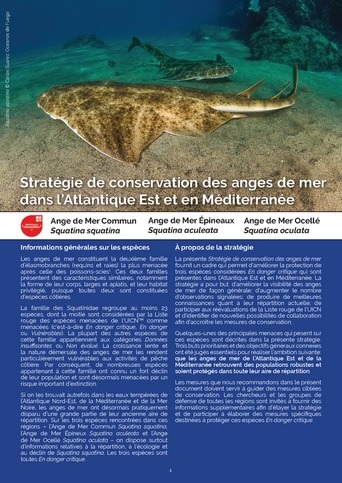
Angel sharks were once widespread throughout Europe’s seas, but are now extinct from much of their former range. In particular, the Angel Shark (Squatina squatina) historically ranged from Scandinavia down to north-western Africa, including the Mediterranean and Black Seas and the Canary Islands. Over the past several decades, overfishing and high bycatch of this species has severely depleted and fragmented these populations, leading to this species being listed as Critically Endangered on the IUCN Red List in 2006.
Mediterranean Angel Sharks Regional Action Plan (2019)
EN
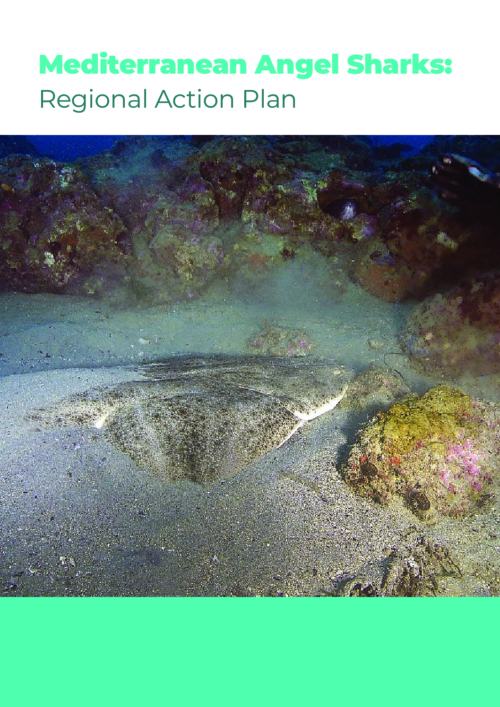
Gordon, C.A., Hood, A.R., Al Mabruk, S. A. A., Barker, J., Bartolí, A., Ben Abdelhamid, S., Bradai, M.N., Dulvy, N.K., Fortibuoni, T., Giovos, I., Jimenez Alvarado, D., Meyers, E.K.M., Morey, G., Niedermuller, S., Pauly, A., Serena, F. and Vacchi, M. 2019. Mediterranean Angel Sharks: Regional Action Plan. The Shark Trust, United Kingdom. 36 pp.
FR
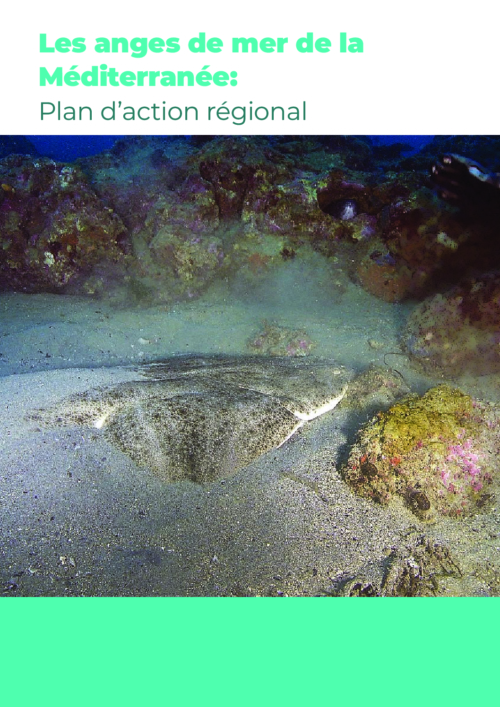
Gordon, C.A., Hood, A.R., Al Mabruk, S. A. A., Barker, J., Bartolí, A., Ben Abdelhamid, S., Bradai, M.N., Dulvy, N.K., Fortibuoni, T., Giovos, I., Jimenez Alvarado, D., Meyers, E.K.M., Morey, G., Niedermuller, S., Pauly, A., Serena, F. and Vacchi, M. 2019. Angelotes del Mediterráneo: Plan de Acción Regional. The Shark Trust, Reino Unido. 36 pp.
ES
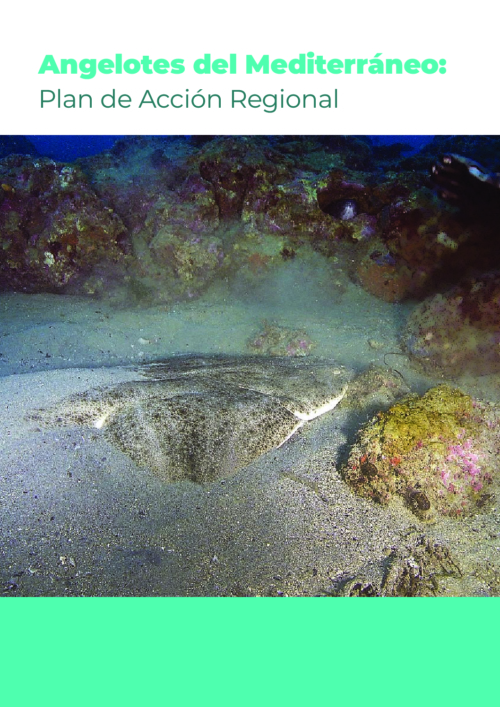
Gordon, C.A.; Hood, A.R.; Al Mabruk, S.A.A.; Barker, J.; Bartolí, A.; Ben Abdelhamid S.; Bradai, M.N.; Dulvy, N.K.; Fortibuoni, T.; Giovos, I.; Jimenez Alvarado, D.; Meyers, E.K.M.; Morey, G.; Niedermuller, S.; Pauly, A.; Serena, F. et Vacchi, M. 2019. Les anges de mer de la Méditerranée : Plan d’action régional. The Shark Trust, Royaume-Uni. 36 p.
AR
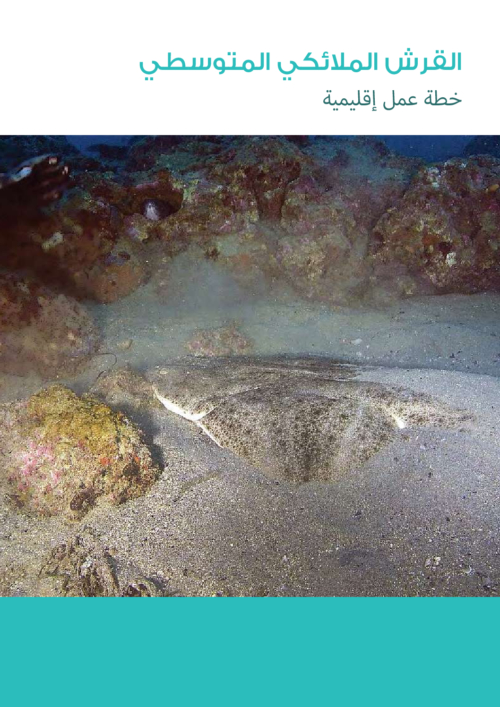
غوردن، ك. أ.؛ هود، ع. ر.؛ املربوك، س. أ.أ.؛ باركر، ج.؛ بارتويل، أ.؛ بن عبد الحميد، س.؛ براداي،م. ن.؛ دولفي، ن. ك.؛ فورتيبووين، ت.؛ جيوفوس، ي.؛ خيمينيز ألفاردو، د.؛ مايرز، إ. ك. م.؛ موري، غ.؛نييدرمولر، س.؛ بويل، أ.؛ سريينا، ف.؛ وفاتيش م. .2019 القرش املالئيك املتوسطي: خطة عمل إقليمية. The Trust Shark، اململكة املتحدة، 36 صفحة
Mediterranean Angel Sharks: SubRegional Action Plan (SubRAP) (2020)
EN
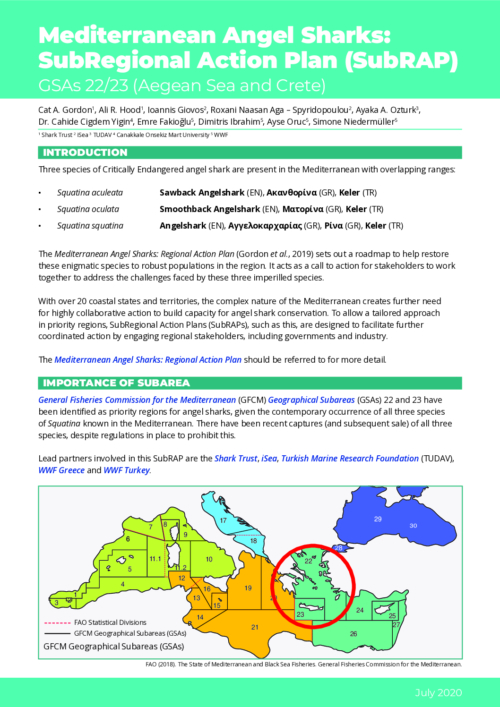
Gordon, C.A., Hood, A.R., Giovos, I., Aga-Spyridopoulou, R.N., Ozturk, A.A., Yigin, C.C., Fakioğlu, E., Ibrahim, D., Kabasakal, H., Oruc, A., and Simone Niedermüller. 2020. Mediterranean Angel Sharks: SubRegional Action Plan (SubRAP). GSAs 22/23 (Aegean Sea and Crete).
GR
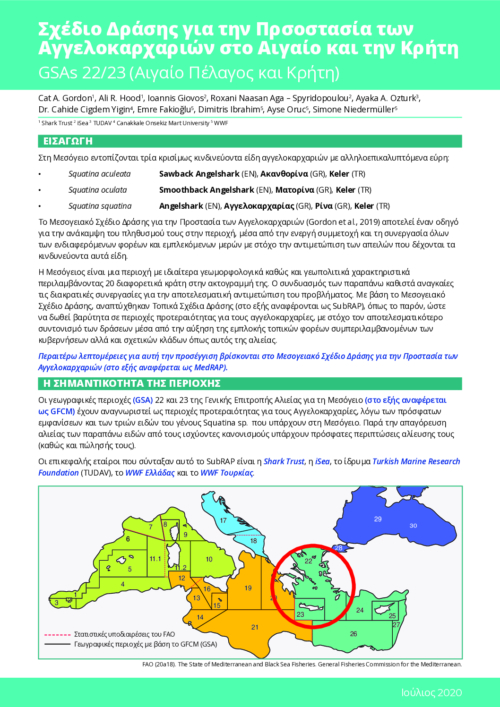
Gordon, C.A., Hood, A.R., Giovos, I., Aga-Spyridopoulou, R.N., Ozturk, A.A., Yigin, C.C., Fakioğlu, E., Ibrahim, D., Kabasakal, H., Oruc, A., and Simone Niedermüller. 2020. Σχέδιο Δράσης για την Πρσοστασία των: Αγγελοκαρχαριών στο Αιγαίο και την Κρήτη. GSAs 22/23 (Αιγαίο Πέλαγος και Κρήτη).
TK
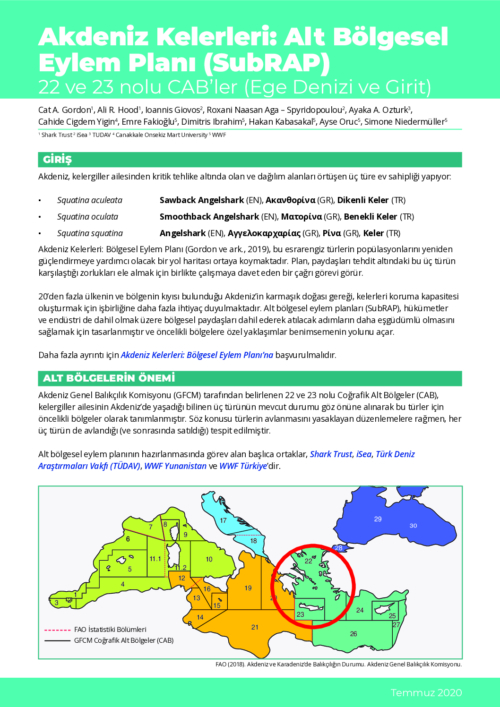
Gordon, C.A., Hood, A.R., Giovos, I., Aga-Spyridopoulou, R.N., Ozturk, A.A., Yigin, C.C., Fakioğlu, E., Ibrahim, D., Kabasakal, H., Oruc, A., and Simone Niedermüller. 2020. Akdeniz Kelerleri: Alt Bölgesel: Eylem Planı (SubRAP). 22 ve 23 nolu CAB’ler (Ege Denizi ve Girit).
Extinction risk and conservation of critically endangered angel sharks in the Eastern Atlantic and Mediterranean Sea (2019)
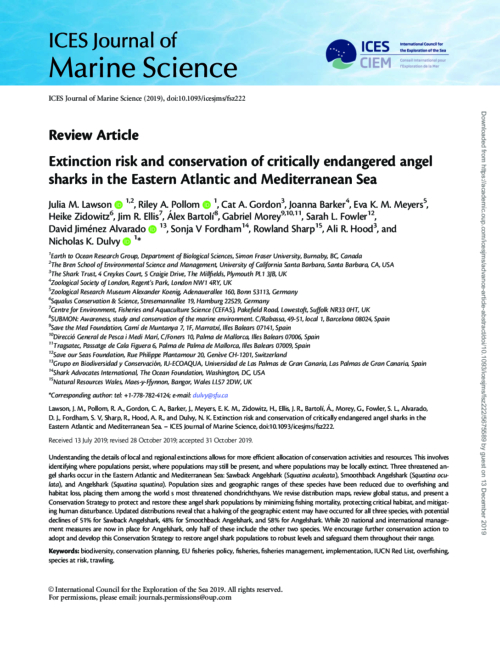
Lawson, J.M., Pollom, R.A., Gordon, C.A., Barker, J., Meyers, E.K.M., Zidowitz, H., Ellis, J.R., Bartolí, Á., Morey, G., Fowler, S.L., Alvarado, D.J., Fordham, S.V, Sharp, R., Hood, A.R., and Dulvy, N.K. 2019. Extinction risk and conservation of critically endangered angel sharks in the Eastern Atlantic and Mediterranean Sea. – ICES Journal of Marine Science, doi:10.1093/icesjms/fsz222.
Wales Angelshark Action Plan (2020)
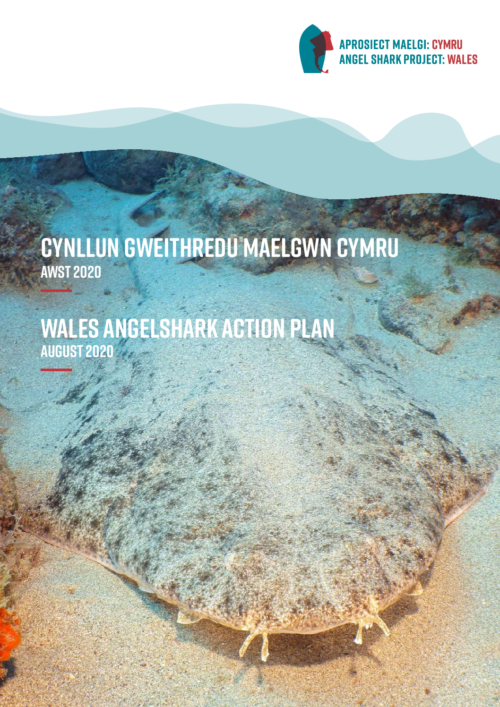
Barker, J., Davies, J., Wray, B., Sharp, R., Gollock, M., Evans, J., O’Connor, J., Evans, S., Gordon, C., Moore, A., Nelson, M., Dulvy, N.K., Hiddink, J., Fish, J., Jiménez Alvarado, D., Brittain, R., Meyers, E., Goralczyk, M., Bull, J., Jones, N., Sims, W. & Clark, M. 2020. Wales Angelshark Action Plan. Zoological Society of London, UK. 42 pp.
Strengthening Angel Shark Conservation in the Southern Aegean Sea (2021)
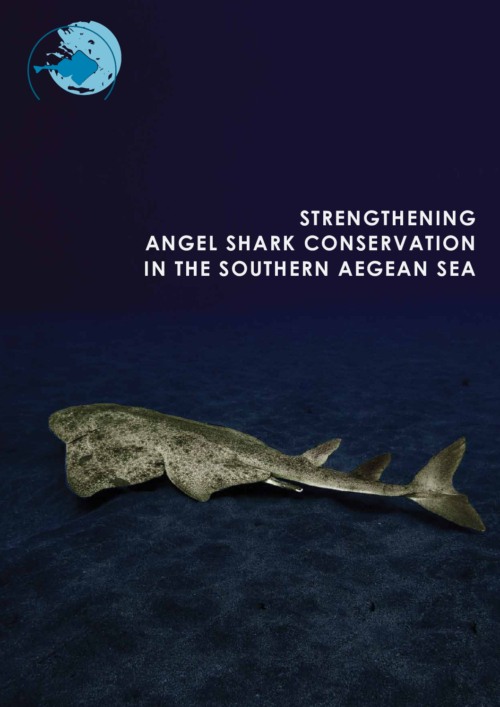
Giovos, I., Katsada, D., Naasan Aga Spyridopoulou, R., Doxa, A., Katsanevakis, S., Sini, M., Oikonomou, V., Poursanidis, D., Hood, A.R. Strengthening Angel Shark Conservation in the Southern Aegean Sea. iSea, Greece, 12pp.
Angelshark Action Plan for the Canary Islands (2016)
EN
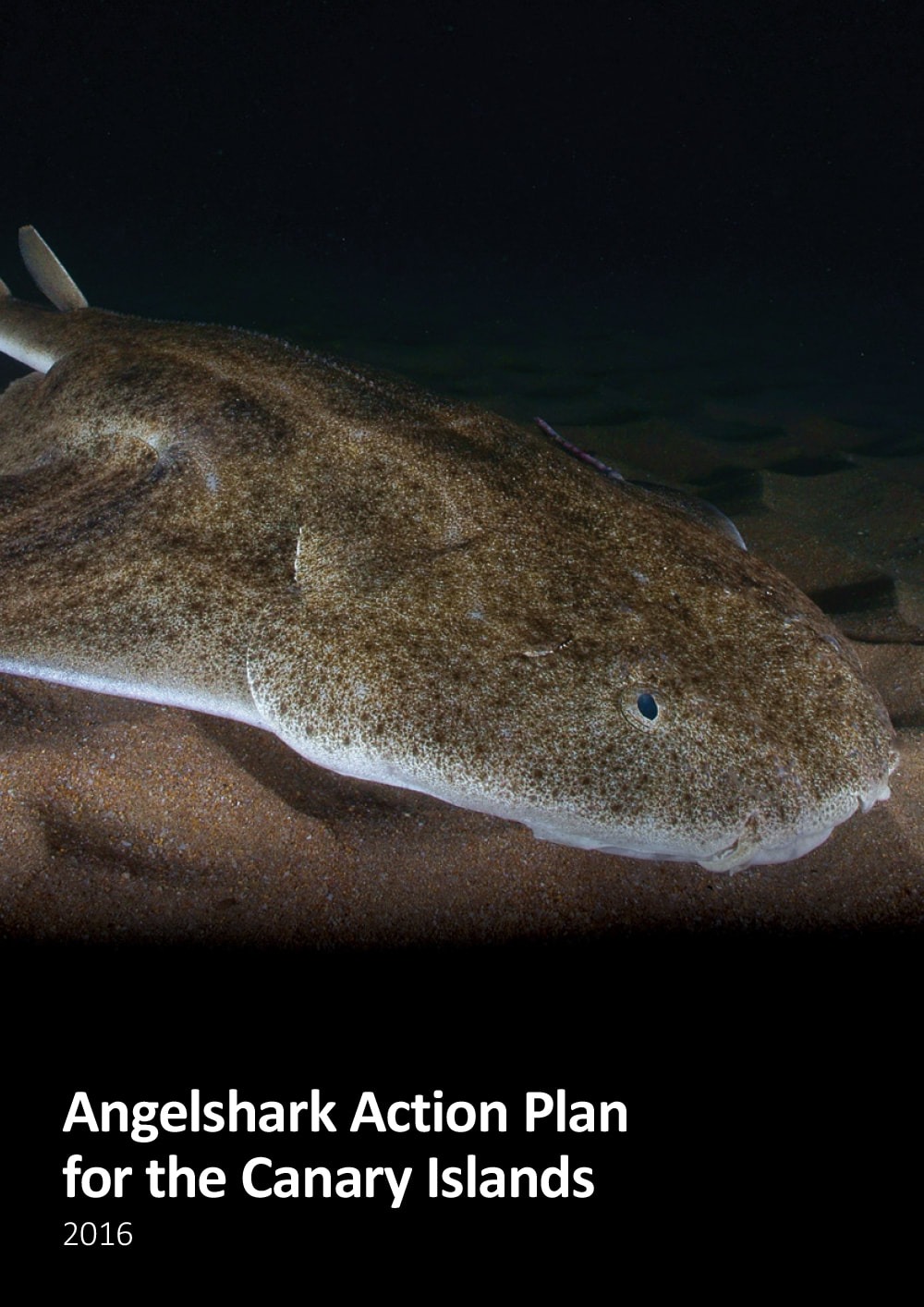
Barker, J., Bartoli, A., Clark, M., Dulvy, N.K., Gordon, C., Hood, A., Alvarado, D.J., Lawson, J. & Meyers, E. (2016) Angelshark Action Plan for the Canary Islands. ZSL.
ES
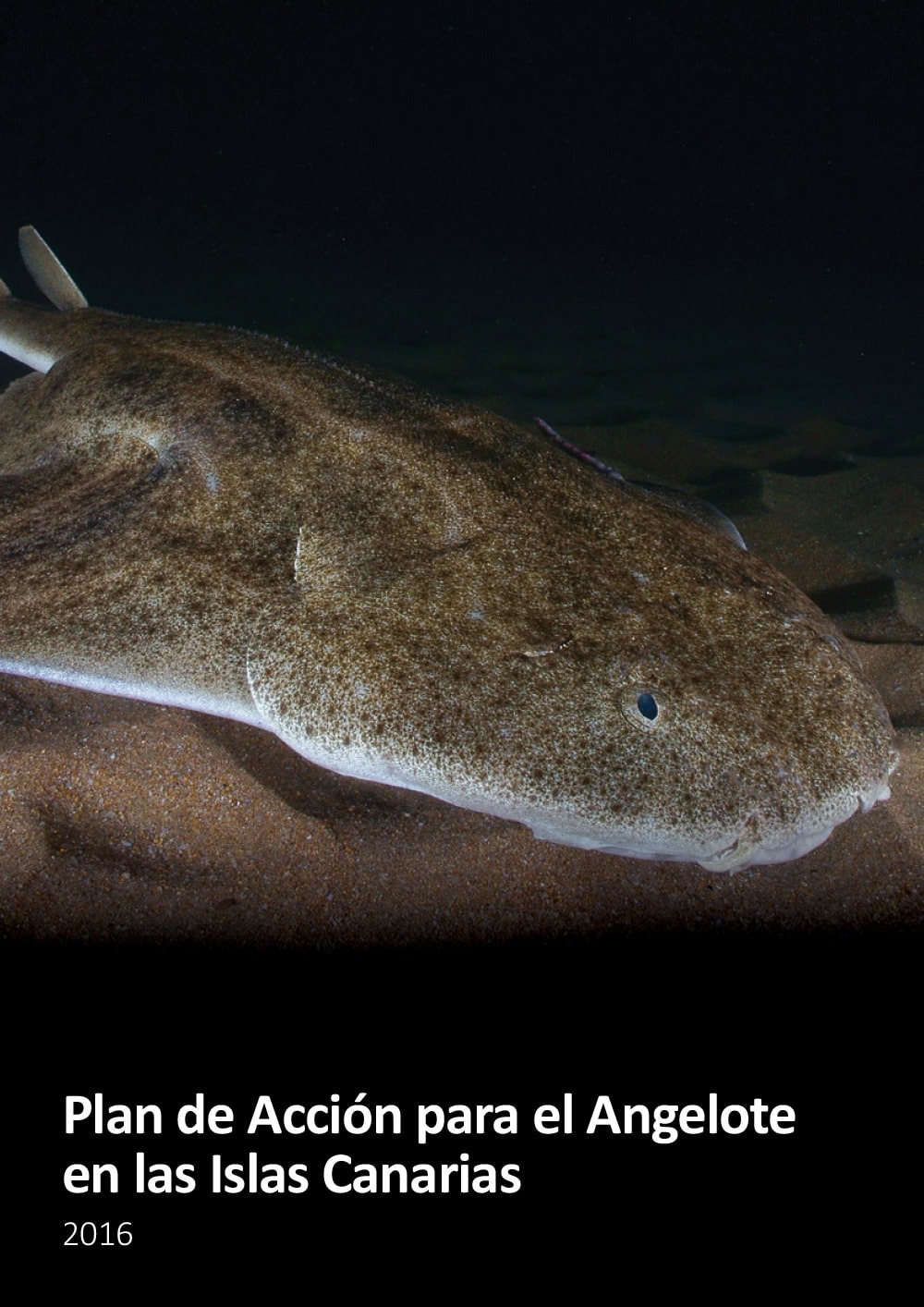
Barker, J., Bartoli, A., Clark, M., Dulvy, N.K., Gordon, C., Hood, A., Jiménez Alvarado, D., Lawson, J. & Meyers, E. (2016) Plan de Acción para el Angelote en las Islas Canarias. ZSL.
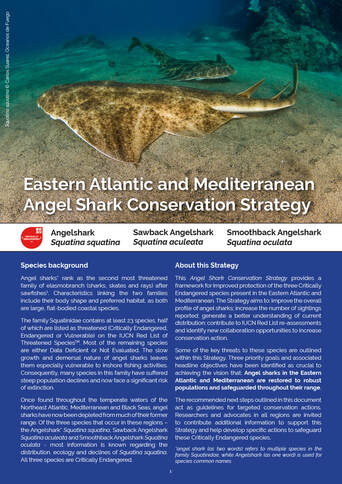
Eastern Atlantic and Mediterranean Angel Shark Conservation Strategy (2017)
EN
FR
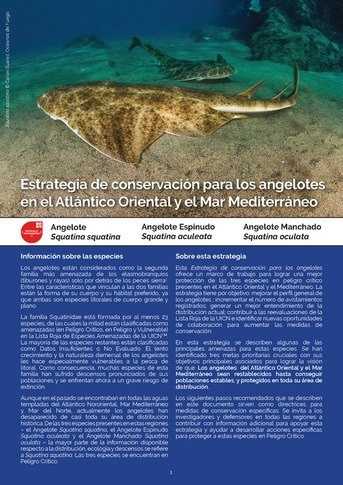
ES