IUCN SSC Shark Specialist Group
  • Home
  • About
    • Mission & Vision
    • Diversity, Equity, Inclusion
    • Sponsors
    • Visual Identity and Brand Guide
    • Annual Reports
    • Membership | TOR
    • FAQ
  • Members
    • Who We Are >
      • Our Team
      • Our Members
      • Our History
    • Where We Work >
      • North America
      • Central America and the Caribbean
      • South America
      • Northern Europe
      • Mediterranean
      • Africa
      • Indian Ocean
      • ​Asia
      • Oceania
    • What We Do >
      • Aquarium Working Group
      • Assess Working Group
      • Bycatch Working Group
      • Communication Working Group
      • Deepwater Chondrichthyans Working Group
      • Human Dimensions Working Group
      • Integrative Taxonomy Working Group
      • Marine Historical Ecology Working Group
  • Resources
    • Shark News >
      • Shark News | Submission Guidelines
    • Shark News Legacy
    • Important Shark and Ray Areas >
      • ISRA Scientific Publications
    • Publications >
      • 2024 Global Status Report
      • Status Reports
      • Fisheries Management
      • Conservation Strategies
      • Migratory Species
      • Process Maps
      • SSG Statements
      • Identification Guide
      • Trade
      • Other
    • Policy Planning >
      • CITES >
        • CITES 17th CoP
      • The Convention on Migratory Species and Sharks
      • The Memorandum of Understanding on the Conservation of Migratory Sharks (Sharks MOU)
      • The IUCN Red List of Threatened Species and Sharks
      • RFMOs
      • IPOA-Sharks
    • Workshops
    • Press
    • Links
    • Media Resources
    • Scientific References
  • News
  • Contact
  • Donate

News

Introducing ISRAs : Important Shark and Ray Areas

1/1/2022

 
Picture
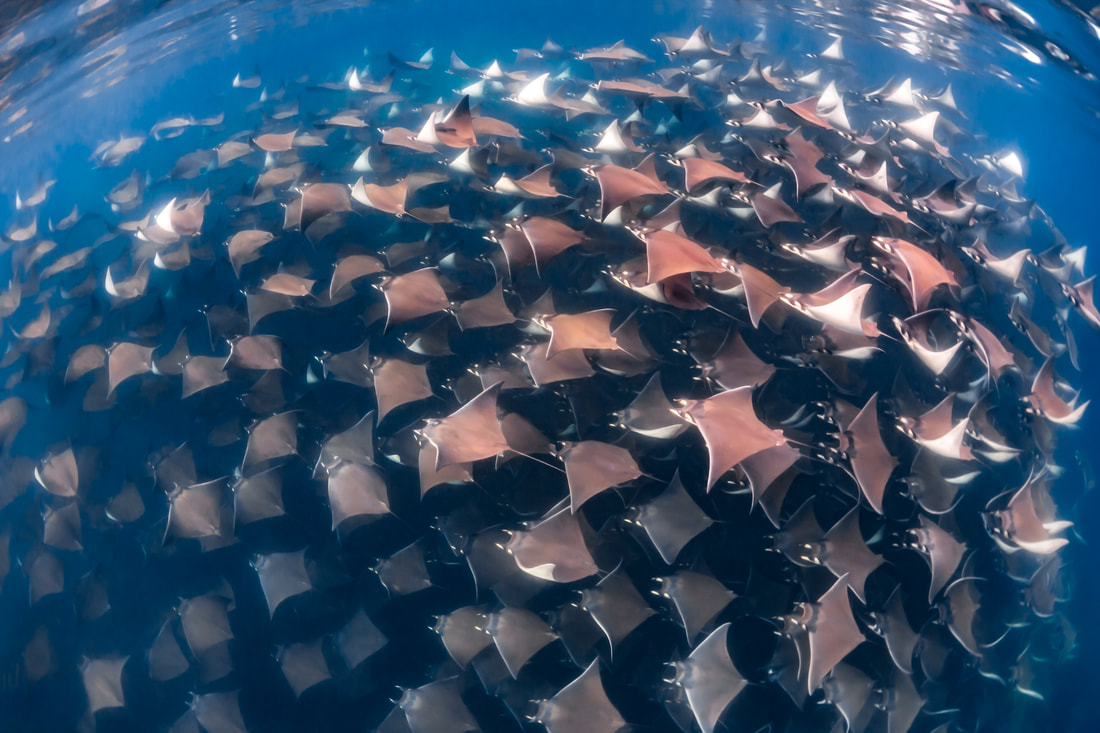
Mobula rays, Sea of Cortez | © Nick Polanszky | Ocean Image Bank
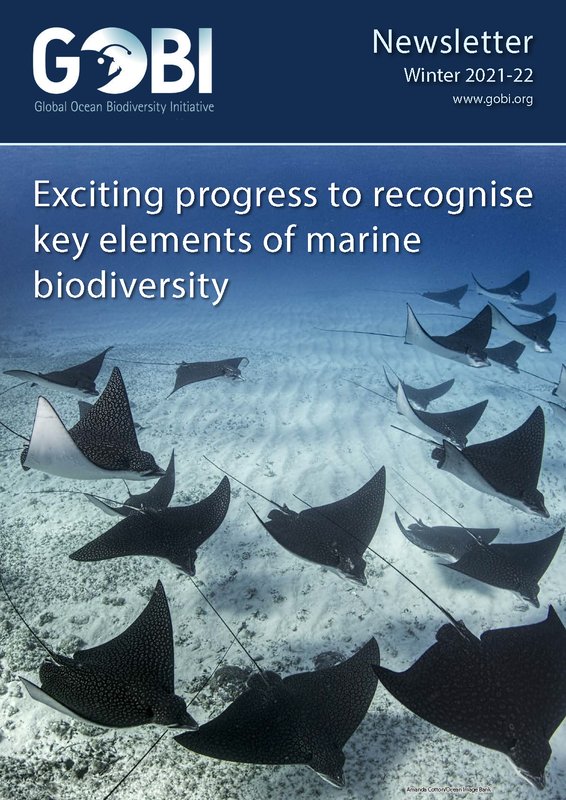
An article introducing the Important Shark and Ray Areas was featured in the Global Ocean Biodiversity Initiative (GOBI) latest newsletter. Written by Dr Rima Jabado (Chair: IUCN SSC Shark Specialist Group) and Dr Giuseppe Notarbartolo di Sciara (Co-Chair: IUCN Marine Mammal Protected Areas Task Force), the article highlights the need for this new tool to delineate those areas most important to the persistence of sharks and how it can contribute to improved spatial planning.
From | GOBI Newsletter Winter 2021–2022
Written by | Rima Jabado and Giuseppe Notarbartolo di Sciara


«To address the plight of sharks across the globe, the IUCN Species Survival Commission Shark Specialist Group, with support from the IUCN Global Marine and Polar Programme and the IUCN Task Force on Marine Mammal Protected Areas, is engaged in an effort to develop an expert-driven innovative approach to ensure that discrete portions of habitats, critical to shark species – Important Shark and Ray Areas (ISRA) – are delineated and used in various place-based conservation and management initiatives across the world’s ocean.
​
Recent innovations and developments in animal tracking, data collection and reporting have enabled the recognition of discrete areas of the ocean that are significant for various groups of endemic or highly mobile animals such as Important Marine Mammal Areas (IMMAs), Important Bird Areas (IBAs) and most recently, Important Marine Turtle Areas (IMTAs). The same approach can now be applied to shark conservation. Like their taxon-specific counterparts, ISRAs are intended to support environmental impact assessments of activities specifically affecting shark conservation, marine spatial planning exercises, marine protected area positioning, in all international, regional, national and local conservation contexts. Given the rapid degradation of the conservation status of a high proportion of shark species, along with the limited place-based protection these species have benefited from until now, implementing an ISRA approach at the global level is considered a matter of urgency.»
Download Newsletter
Picture

Comments are closed.

    Archives

    All
    2014
    2018
    2020
    2021
    2022
    2023
    2024
    2025
    2026


Picture
Picture
Picture
Picture
Picture
Picture
Picture
Picture
Picture
Copyright © 2026 | IUCN SSC Shark Specialist Group | All Rights Reserved
  • Home
  • About
    • Mission & Vision
    • Diversity, Equity, Inclusion
    • Sponsors
    • Visual Identity and Brand Guide
    • Annual Reports
    • Membership | TOR
    • FAQ
  • Members
    • Who We Are >
      • Our Team
      • Our Members
      • Our History
    • Where We Work >
      • North America
      • Central America and the Caribbean
      • South America
      • Northern Europe
      • Mediterranean
      • Africa
      • Indian Ocean
      • ​Asia
      • Oceania
    • What We Do >
      • Aquarium Working Group
      • Assess Working Group
      • Bycatch Working Group
      • Communication Working Group
      • Deepwater Chondrichthyans Working Group
      • Human Dimensions Working Group
      • Integrative Taxonomy Working Group
      • Marine Historical Ecology Working Group
  • Resources
    • Shark News >
      • Shark News | Submission Guidelines
    • Shark News Legacy
    • Important Shark and Ray Areas >
      • ISRA Scientific Publications
    • Publications >
      • 2024 Global Status Report
      • Status Reports
      • Fisheries Management
      • Conservation Strategies
      • Migratory Species
      • Process Maps
      • SSG Statements
      • Identification Guide
      • Trade
      • Other
    • Policy Planning >
      • CITES >
        • CITES 17th CoP
      • The Convention on Migratory Species and Sharks
      • The Memorandum of Understanding on the Conservation of Migratory Sharks (Sharks MOU)
      • The IUCN Red List of Threatened Species and Sharks
      • RFMOs
      • IPOA-Sharks
    • Workshops
    • Press
    • Links
    • Media Resources
    • Scientific References
  • News
  • Contact
  • Donate